
Views: 0 Author: Site Editor Publish Time: 2026-03-06 Origin: Site


Small design decisions often create the biggest hesitation. Many buyers wonder whether cabinet legs are truly necessary or simply an extra decorative expense. At first glance, they may seem like a minor detail compared to door panels or finishes. However, cabinet legs can significantly influence how a cabinet functions, how it fits into a room, and how it is perceived in terms of value. This is not only about aesthetics. It is about cleaning convenience, structural stability, visual balance, and long-term usability. When selected with purpose, cabinet legs can transform an ordinary cabinet into a more practical and refined piece of furniture.
Cabinet legs change more than just the bottom outline of a cabinet. They affect the cabinet’s visual weight, its direct contact with the floor, its accessibility, its installation flexibility, and even its long-term performance in different environments.
A cabinet placed directly on the floor feels grounded and solid. This may work in traditional designs, but it can also make the furniture appear bulky, especially in smaller spaces. By contrast, a cabinet supported by legs introduces elevation. This elevation alters perception and usability.
Floor contact is another important factor. Direct floor placement may increase exposure to moisture, dust accumulation, and uneven flooring. Cabinet legs create separation, improving airflow and protecting the base.
Accessibility also improves when the cabinet is lifted slightly. Users can clean underneath, inspect the floor condition, and avoid hidden dirt accumulation. Installation flexibility increases as well, especially in rooms where flooring is not perfectly level.
A lifted cabinet often feels more intentional and modern. Elevation visually lightens the structure. Instead of appearing as a heavy block, the cabinet seems more integrated with the room design.
This difference becomes more obvious in contemporary interiors. Modern living rooms, kitchens, and bathrooms frequently favor lighter silhouettes and open visual flow. Cabinet legs contribute to that effect by reducing visual density near the floor line.
Beyond style, lifting also protects the cabinet base from prolonged floor contact, which can be especially useful in humid climates or frequently cleaned spaces.
When evaluating whether cabinet legs are worth adding, practical daily use should guide the decision.
Easier floor cleaning is one of the most direct advantages. Cabinets without legs can trap dust and debris along the bottom edge. Once dirt accumulates, cleaning becomes more complicated. Legged cabinets allow vacuum or mop access underneath, saving time and improving hygiene.
Moisture separation is another benefit. In bathrooms and kitchens, water exposure is common. By raising the cabinet slightly above the floor, legs reduce direct moisture contact, helping extend the lifespan of the cabinet body.
Accessibility to lower storage improves as well. A slightly elevated cabinet often feels more comfortable to approach. Users can position their feet naturally while opening doors, which improves ergonomics.
Improved leveling is also valuable. Uneven flooring can create slight tilting. Cabinet legs, particularly those designed with stable structures, allow better adjustment and stability compared to flush-floor designs.
Kitchens and bathrooms are high-use areas. Cleaning frequency is higher, humidity levels fluctuate, and spills are more common. Cabinet legs in these environments provide both protection and convenience.
In bathrooms, moisture exposure near the floor can be constant. Elevated cabinets reduce prolonged water contact. In kitchens, regular sweeping and mopping become easier when cabinets are not sealed tightly against the floor.
These benefits directly influence the decision-making process for buyers comparing whether cabinet legs justify the investment.
Practical value is important, but appearance cannot be ignored. Cabinet legs change how furniture integrates with a room.
Bulky cabinets often dominate smaller spaces. Adding legs reduces that heaviness by introducing visible floor space beneath the cabinet. This creates a lighter, more balanced visual structure.
Cabinet legs also support modern, minimalist, and industrial interior styles. Slim metal legs with clean lines match contemporary furniture design. In contrast, flush-to-floor cabinets tend to align more with traditional aesthetics.
Another benefit is perceived customization. A basic cabinet can look more intentional and design-oriented when paired with carefully selected legs. The visual separation between floor and cabinet base enhances refinement.
Worth, in this context, means both functional improvement and aesthetic enhancement. When legs contribute to both aspects, the upgrade becomes easier to justify.
To make an informed decision, it helps to consider when cabinet legs provide the most value.
They are often worth adding in modern living rooms where design openness is important. Bathroom cabinets benefit from moisture separation. Entry storage units gain easier cleaning access. Cabinets designed for lighter visual impact typically perform better when elevated.
However, there are cases where cabinet legs may not align with the design goal. Some traditional interiors prefer a flush base appearance. Certain hidden-base designs aim for a seamless floor connection. In very specific layouts, under-cabinet gaps may not be desired.
Recognizing these differences builds trust in the decision-making process. The goal is not to add legs in every scenario, but to apply them where they provide measurable improvement.
The following table summarizes common cabinet situations and the value cabinet legs provide.
Cabinet Situation | Are Legs Worth It? | Main Benefit | Best Reader Takeaway |
Bathroom cabinet | Yes | Cleaner and moisture separation | Practical and protective upgrade |
Modern media cabinet | Yes | Lighter visual look | Enhances contemporary style |
Compact kitchen storage | Often yes | Easier cleaning and openness | Improves daily usability |
Traditional flush base cabinet | Sometimes no | Depends on design goal | Style preference matters |
Uneven floor area | Yes | Easier leveling and stability | Better installation flexibility |
This comparison highlights that cabinet legs become most valuable when they improve cleaning, balance, or environmental protection.
Before adding cabinet legs, several technical considerations should be evaluated.
Height must match the intended visual proportion and functional needs. Too low may reduce cleaning benefits, while too high may distort design balance.
Material plays a major role in durability. Cabinets in high-use areas benefit from strong structural materials.
Finish selection affects both appearance and long-term performance. Coated metal surfaces provide resistance against corrosion and wear.
Load support should align with cabinet weight, especially when the cabinet stores heavy items.
Floor protection is essential to prevent scratches and reduce noise during minor movements.
Installation compatibility must be checked to ensure secure attachment to the cabinet base.
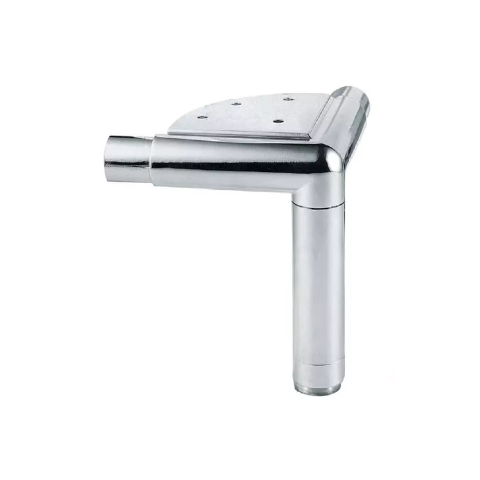
Material selection significantly influences both aesthetics and durability. Metal and alloy cabinet legs are particularly suitable for modern interiors because they offer strength while maintaining a slim profile.
Unlike bulky alternatives, well-designed metal legs can support substantial weight without appearing heavy. Finishes such as matte black, brushed metallic, or polished tones integrate easily into contemporary spaces.
KUKI, as an experienced metal furniture leg manufacturer, specializes in producing die-cast and iron-based hardware fittings that combine structural strength and modern design. With continuous investment in production capacity and quality control, KUKI focuses on providing reliable solutions for furniture brands and distributors seeking durable cabinet leg components.
Modern export-market furniture increasingly favors metal cabinet legs for both performance and style reasons.
Cleaner lines make cabinets appear lighter and more refined. Contemporary aesthetics often emphasize visible structure, and metal legs complement this approach.
Durable construction enhances buyer confidence. Furniture intended for long-term use benefits from stable, well-engineered support.
Metal finishes offer versatile color options such as black, gold, silver, and matte variations. These finishes match a wide range of cabinet colors and room themes.
KUKI produces various leg designs, including structured iron and zinc alloy styles suited for cabinets. By focusing on quality improvement and listening to customer feedback, the company strengthens its position as a professional hardware fittings supplier serving both domestic and overseas markets.
Cabinet legs can be framed not as a major structural change, but as an intelligent upgrade. They enhance cleaning convenience, improve visual proportion, and add a sense of refinement without redesigning the entire cabinet.
For furniture brands and distributors, offering cabinet legs as part of product development can increase perceived value while maintaining production efficiency. For buyers, the upgrade often delivers noticeable improvement in daily use.
Because cabinet legs influence stability, hygiene, and style simultaneously, they represent a functional enhancement rather than a superficial decoration.
Cabinet elevation can redefine how storage units integrate into living spaces. When selected thoughtfully, cabinet legs deliver cleaner lines, improved usability, and stronger structural support. For furniture developers seeking durable, modern hardware solutions that enhance both performance and visual appeal, contact KUKI to explore high-quality cabinet supports designed for contemporary furniture applications.
1. Do cabinet legs really improve cleaning?
Yes. Cabinet legs create space underneath, allowing easier access for vacuuming and mopping, which helps maintain hygiene in kitchens and bathrooms.
2. Are metal cabinet legs strong enough for heavy cabinets?
Well-designed metal cabinet legs provide reliable load support and maintain structural stability even when cabinets store heavier items.
3. What height is ideal for cabinet legs?
Height depends on design goals and cleaning needs. Medium-height legs often balance accessibility and visual proportion.
4. Are cabinet legs suitable for modern furniture styles?
Yes. Slim metal cabinet legs align well with modern, minimalist, and industrial interiors, improving both appearance and function.


