
Views: 0 Author: Site Editor Publish Time: 2026-02-20 Origin: Site


When it comes to furniture design, even the smallest elements can make a big difference in the overall look and feel of your space. One such element that is often overlooked but holds significant influence is the sofa legs. While their primary function is to provide structural support, they also serve as a design feature that can complement or completely transform the look of your furniture. Furniture legs, especially sofa legs, come in various styles, materials, and finishes, making them a key consideration in interior design. This article will guide you through the different styles of sofa legs, their impact on your furniture and space, and how to choose the perfect one for your home.
At first glance, furniture legs may seem like a purely functional component. However, they serve a much broader purpose in the design and comfort of your sofa.
The primary role of sofa legs is to provide structural support to the furniture. They lift the sofa off the ground, which not only helps in distributing weight evenly but also ensures that your sofa remains sturdy and safe for use. The height of the legs also affects the seating comfort by elevating the sofa, making it easier to get in and out of.
Beyond the function of stability, sofa legs play a significant role in the overall aesthetic of the room. The height and style of the legs can alter the perception of the space. For example, higher sofa legs make the room feel more open and airy, giving the impression of more space. On the other hand, lower sofa legs tend to make a room feel more grounded and cozy.
Another often overlooked benefit of furniture legs is the added airflow beneath the sofa. This is especially useful in maintaining a clean environment. With a raised sofa, dust and debris can easily be swept or vacuumed from underneath, keeping your home tidier and promoting better air circulation.
Sofa legs come in various styles, and each one can dramatically change the appearance and feel of your furniture. Understanding the different types of sofa legs is essential in choosing the best one for your home.
Wooden sofa legs are a classic choice, offering timeless elegance and durability. They are often used in traditional and rustic-style furniture, adding warmth to a room. Wooden legs come in various finishes, including natural, stained, or painted wood, allowing you to match them with the rest of your décor.
Metal sofa legs are often favored for their modern, sleek appearance. These legs are sturdy and capable of supporting heavier sofas, making them a popular choice for contemporary interiors. Metal legs are available in different finishes, such as chrome, brushed nickel, and matte black, offering versatility in design.
Hidden sofa legs, also known as base or recessed legs, provide an almost floating effect for your sofa. This type of leg is often used in modern or minimalist designs where the focus is on clean lines and open spaces. Hidden legs give the illusion of a more spacious room and can make the sofa appear to be "floating" above the floor.
Adjustable sofa legs are a versatile option, allowing you to change the height of your sofa based on your needs or preferences. This can be particularly useful if you plan to rearrange your furniture frequently or want the option to lower or raise your sofa to suit different seating preferences.
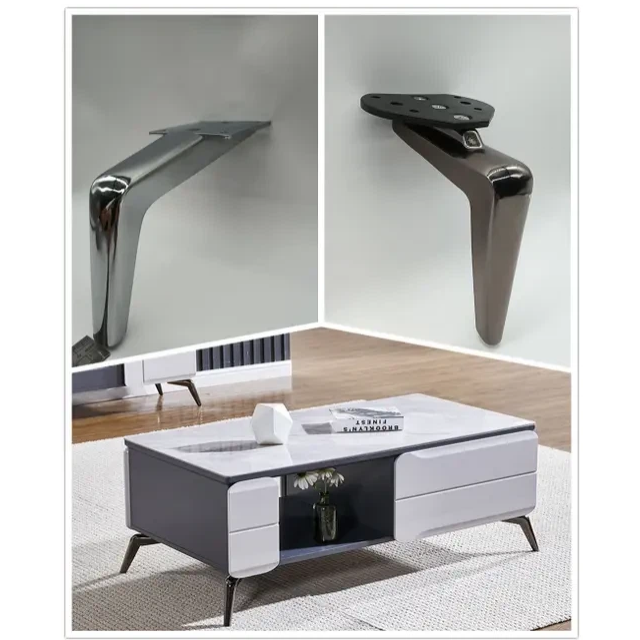
Different leg styles can define the character of a sofa and complement various interior themes. Let's dive into some of the most popular sofa leg styles and their best uses:
Table: Sofa Leg Style Comparison
Style Name | Description | Best Interior Match |
Straight Leg | Clean & simple | Minimalist décor |
Tapered Leg | Narrow & modern | Contemporary interiors |
Turned/Base Carved Leg | Patterned & classic | Traditional furniture |
Hidden/Base | Invisible foot | Floating or modern look |
Each leg style brings a unique touch to your sofa and overall room design. Straight legs offer a simple, no-frills look that works best in minimalist spaces, while tapered legs add a modern flair that fits perfectly with contemporary furniture. Turned or carved legs, on the other hand, add a traditional charm, often seen in more ornate, classic designs. Finally, hidden/base legs create an illusion of a "floating" piece, which works wonderfully in modern, open-concept rooms.
Sofa legs do more than just support the structure; they also have a direct impact on the height and perceived space of your room. The height of your sofa legs can make a room appear more spacious or give it a more grounded feel.
Leg height plays a crucial role in how your room feels. Higher sofa legs create the illusion of space by lifting the furniture off the ground, making the room feel more open and airy. This is especially beneficial for smaller spaces, as it allows more floor area to be visible, visually expanding the room.
When selecting the right sofa legs, it’s important to consider how they will complement your other furniture. If your living room features low-profile furniture, such as a low coffee table or armchairs, opting for higher sofa legs can create a balanced look. Alternatively, lower legs may work better in a room with taller furniture, offering a more cohesive and grounded aesthetic.
The material of furniture legs not only influences the look of your sofa but also determines its strength, durability, and maintenance needs. Here’s a comparison of common materials used for sofa legs:
Wood: Offers warmth and elegance, ideal for traditional and rustic styles.
Metal: Provides a modern, industrial look, great for contemporary and minimalist interiors.
Composite/Plastic: Budget-friendly and versatile, suitable for more flexible design options.
Selecting the right sofa legs for your furniture involves more than just picking the most visually appealing style. Consider the following practical tips when choosing the best legs for your sofa:
Style Harmony: Ensure that the legs you choose complement the overall style of your furniture and room décor.
Floor Protection: Make sure the legs are designed to protect your floors from scratches and dents.
Household Needs: If you have children or pets, opt for sturdier materials that can withstand wear and tear.
In conclusion, sofa legs are not just a functional element of your furniture; they play a significant role in shaping the overall design and feel of your living space. From supporting the weight of your sofa to adding aesthetic appeal, choosing the right furniture legs can completely transform your room. Whether you opt for wooden, metal, tapered, or hidden legs, each style offers unique benefits that can elevate your home’s interior.
At Kuki, we offer a wide range of sofa legs in various styles and materials to suit any décor. If you’re ready to enhance your furniture’s appearance and functionality, feel free to contact us and explore our diverse collection of furniture legs today.
1. What are the benefits of using metal sofa legs?
Metal sofa legs offer a sleek, modern look and are strong enough to support heavier furniture. They are ideal for contemporary interiors.
2. How do I know which sofa leg height is best for my room?
Sofa leg height depends on the room size and the look you're going for. Higher legs create a spacious feel, while lower legs offer a more grounded look.
3. Can I mix different sofa leg styles in one room?
Yes, but it’s essential to maintain a cohesive look by choosing styles that complement each other. For example, pairing straight legs with minimalist furniture can create a balanced, modern aesthetic.
4. How do I maintain my sofa legs?
Regularly clean and dust the legs to maintain their appearance. For wooden legs, use polish to keep them looking shiny. Metal legs should be wiped down to avoid rust.


