
Views: 0 Author: Site Editor Publish Time: 2026-03-05 Origin: Site


A beautiful bed can still feel unstable, sit too low, or make cleaning frustrating if the bed legs are not chosen correctly. Many buyers focus on the headboard or upholstery first, but the foundation under the frame quietly determines comfort, durability, and even the visual balance of the entire bedroom. Selecting the right bed legs is not simply about decoration. It is about support strength, height proportion, structural compatibility, and long-term daily use. For modern interiors, well-designed metal legs often provide a cleaner look and stronger performance than bulkier alternatives, making them a practical upgrade rather than a minor accessory.
Bed legs influence more than appearance. They directly affect how the bed performs, how the room feels, and how the furniture ages over time. When buyers compare different options, four core factors should always be considered.
First, overall bed height changes the user experience. Second, weight distribution determines stability. Third, under-bed clearance impacts cleaning and storage. Fourth, the leg style influences the visual atmosphere of the bedroom.
Stability is not always noticeable at first glance. However, weak or mismatched legs can create subtle wobble, uneven weight transfer, and long-term structural stress. A bed that shifts slightly under pressure may produce noise or feel insecure, especially in shared sleeping situations. Over time, poor support can loosen joints in the bed frame and shorten its lifespan.
Strong bed legs help distribute weight evenly across the base. This is especially important for heavier frames, thick mattresses, or households where the bed experiences frequent daily use. Reinforced metal legs are often preferred in these scenarios because they maintain structural integrity under higher loads.
Bed height affects comfort every single day. A bed that sits too low may look modern, but it can be uncomfortable to get in and out of, particularly for older users. A bed that is too high may feel disproportionate in a small room.
Leg height also determines storage possibilities. Raised bed legs create space for storage boxes or improve airflow underneath. At the same time, the visual proportion between mattress thickness, frame depth, and leg height defines how balanced the entire piece looks.
Careful height selection ensures that the bed feels natural in the room rather than awkward or oversized.
Many buyers begin by choosing a style or finish. In reality, compatibility should come first. The bed frame structure determines which type of legs are suitable.
Platform beds often require evenly distributed support with stable mounting plates. Upholstered beds may conceal the connection points and demand secure attachment systems. Storage beds require careful height planning to ensure drawers or compartments function smoothly. Lightweight frames have different load requirements compared to solid hardwood or metal structures.
Mounting compatibility must be checked before finalizing the leg design. A well-designed mounting plate ensures easy installation and long-term stability. Without proper attachment alignment, even strong legs cannot perform correctly.
Heavier bed frames combined with thick mattresses significantly increase downward pressure. Shared sleeping use adds dynamic load when weight shifts during movement. In these cases, reinforced bed legs are recommended.
Metal legs are particularly effective for heavier constructions because they resist bending and maintain shape over time. Slim-profile designs can still deliver high load-bearing capacity when engineered properly. This balance between strength and elegance is increasingly valued in modern furniture development.
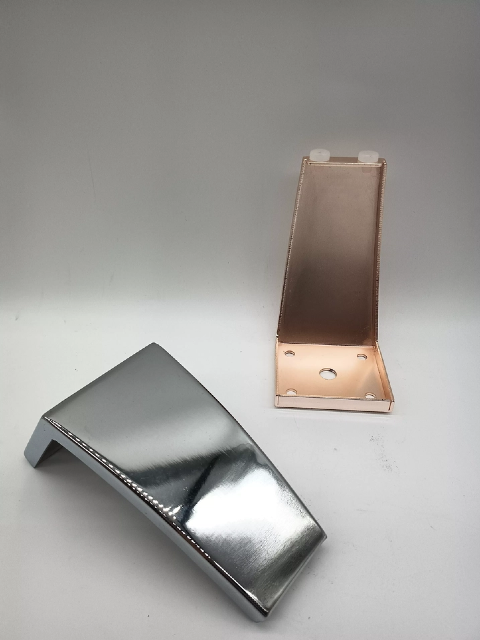
Height selection should always combine visual balance and practical use. Buyers often fall into the trap of choosing height based only on appearance, but usage scenarios matter equally.
Low-profile legs create a contemporary, close-to-the-floor aesthetic. This works well in minimalist bedrooms with large visual elements such as tall headboards or statement walls.
Standard height legs provide comfortable daily use and suit most bedroom layouts. They allow easy cleaning while maintaining balanced proportions.
Taller bed legs increase under-bed clearance, which is ideal for compact apartments where additional storage is needed. They also improve airflow and make vacuuming more convenient.
The following table provides a quick overview of common scenarios.
Bed Need | Recommended Leg Type | Best Height Direction | Why It Fits |
Heavy bed frame | Reinforced metal legs | Medium | Stronger support and better stability |
Small bedroom | Slim metal legs | Medium to Tall | Makes the room feel lighter |
Need storage below | Taller bed legs | Tall | Improves under-bed clearance |
Minimalist style | Straight metal legs | Low to Medium | Clean visual lines |
Easy daily cleaning | Raised metal legs | Medium to Tall | Easier access underneath |
This comparison shows that choosing bed legs is a practical decision based on function and design harmony.
Modern bedroom design often favors clean lines and reduced visual bulk. Metal legs respond well to this trend because they provide strong support without heavy appearance.
Strong load support is one of the primary advantages. Properly manufactured metal legs can handle daily stress without warping or cracking. Maintenance is also easier compared to some materials that require surface refinishing.
The slimmer profile of metal legs creates visual lightness. Instead of drawing attention downward, they elevate the bed subtly and allow the mattress and headboard to stand out.
Metal finishes also match a wide range of interior styles, including minimalist, industrial, contemporary, and hotel-inspired bedrooms.
Metal bed legs are particularly suitable in apartments where space optimization matters. They work well in rental furniture due to durability requirements. Bedrooms with frequent use benefit from the reliable support structure. In hospitality environments, consistent performance and clean aesthetics are especially important.
KUKI, as a professional metal furniture leg manufacturer, specializes in die-cast sofa legs, iron sofa legs, and various hardware fittings. With expanded production capacity and strict quality control, the company focuses on delivering durable metal leg solutions that combine strength and refined design. By continuously improving product quality and listening to customer feedback, KUKI supports both domestic and overseas markets with reliable hardware solutions for modern furniture.
Several common mistakes reduce long-term satisfaction.
Choosing by appearance alone can lead to unstable results. Ignoring load-bearing requirements may shorten the life of the bed. Selecting the wrong height without considering mattress thickness can distort proportions. Overlooking floor protection may cause scratches or unwanted movement. Failing to verify attachment compatibility can complicate installation.
Avoiding these mistakes ensures that bed legs function as a true structural foundation rather than just a decorative detail.
A well-designed bed leg should combine structural reliability and visual refinement.
Durable metal construction ensures consistent performance under pressure. Clean, modern shapes allow the legs to complement various bed styles. Anti-rust finishes extend service life, especially in humid environments. Multiple size options make it easier to match different bed heights. Practical mounting structures simplify installation while maintaining strong attachment.
KUKI emphasizes product quality and continuous improvement. The company’s focus on metal manufacturing expertise allows it to provide bed leg solutions that meet both aesthetic and structural expectations. As a supplier dedicated to building a professional hardware fittings brand, KUKI supports furniture brands and wholesalers seeking reliable components that enhance overall product value.
Choosing the right legs is not an afterthought. It is a structural decision that influences stability, comfort, and design cohesion. Well-matched bed supports strengthen the bed’s performance while elevating its appearance. If you are developing or upgrading modern bedroom furniture and want durable, well-engineered metal solutions, contact KUKI to explore professional furniture leg options tailored to your needs.
1. What height is best for bed legs?
The best height depends on mattress thickness, frame depth, and user comfort. Medium-height bed legs suit most bedrooms, while taller options provide extra storage space underneath.
2. Are metal legs stronger than other materials?
Metal legs generally offer higher load support and long-term durability, especially for heavier bed frames or frequent daily use.
3. Can I replace existing bed legs easily?
Yes, if the mounting structure is compatible. Always check attachment type and spacing before selecting new bed legs.
4. Do raised bed legs improve cleaning?
Raised bed legs create under-bed clearance, making vacuuming and airflow easier while helping maintain a cleaner bedroom environment.


