
Views: 0 Author: Site Editor Publish Time: 2025-11-05 Origin: Site


If you want reliable alloy sofa legs for your next sofa, stainless steel and aluminium alloy sofa legs stand out as top picks. You need to think about strength, style, cost, and where people will use the sofa. Steel sofa legs offer solid support, while metal legs in aluminum bring a lighter touch. Your choice shapes the look and life of your furniture.
Pick stainless steel for heavy sofas. It gives strong support. It does not rust. This makes it good for busy places.
Aluminium alloy legs are light. You can move them easily. They are good for modular sofas. They fit rooms where you move furniture a lot.
Zinc alloy is good for style and price. These legs last long. They come in many designs. You can match them to different sofas.
Always check if the legs resist corrosion. Stainless steel and aluminium alloys do well in wet places. They also work outside.
Test sofa legs before you buy them. Make sure they are safe. This helps you avoid returns. It keeps customers happy.
Strength is very important when picking alloy sofa legs. The legs must hold heavy sofas without bending. Steel sofa legs are strong and support big sofas. Aluminium alloy sofa legs are better for lighter sofas. Here is a table to show how different legs work:
Feature | Die Cast Aluminum Legs | Wrought Iron Legs |
|---|---|---|
Weight | Lightweight, easy to move | Heavy, extremely stable |
Corrosion Resistance | Excellent (oxide layer + coatings) | Poor without coatings, prone to rust |
Design Flexibility | Modern, complex shapes | Limited, mostly traditional styles |
Applications | Sofas, cabinets, offices, modern interiors | Outdoor, rustic tables, antique pieces |
You want sofa legs that last a long time. Durability means the legs do not break or get weak. Stainless steel legs last longer than regular steel or aluminum. Regular steel legs can rust and get weaker. Aluminium alloy sofa legs are light but can get dents or scratches. The mix of metals in aluminium alloy sofa legs changes how strong they are. For busy homes or offices, pick legs that are very durable.
Corrosion resistance helps sofa legs stay nice and strong. Stainless steel and aluminum alloys do not rust easily. They work well in wet or humid places. 316 stainless steel is best near the ocean because it fights salty air. Aluminium alloy sofa legs, like the 5xxx series, handle saltwater and wetness. Keep sofa legs away from acids, alkalis, and salty water. If something spills, wash the legs with water and dry them.
Your budget helps you decide which legs to buy. Alloy sofa legs have many prices. The metal, finish, and extra features change the price. Fancy fabrics and patterns cost more. To save money, pick simple legs and finishes.
Style is important for every sofa. You can pick legs with brushed brass, antique copper, or satin chrome. Dark finishes like matte black match many rooms. Custom finishes help your sofa look special and trendy.
You need sofa legs that are easy to make and buy. Zinc alloy legs are made fast and help finish orders quickly. Stainless steel legs take more time to make because they are hard. Always ask suppliers about how long delivery takes and about quality.
Watch the video to learn more details about metal sofa legs.
You see stainless steel sofa legs in many modern homes. They look sleek and feel strong. These legs support heavy sofas and last for years. You can use them in places with lots of moisture, like basements or kitchens. Stainless steel fights rust better than regular steel legs. You get a shiny or brushed finish that fits both modern and classic styles.
Best for:
Heavy sofas
Modern and industrial designs
High-traffic areas
Tip: If you want a strong, long-lasting option, stainless steel sofa legs are a safe bet. Just make sure the finish matches your room.
Aluminium alloy sofa legs give you a lightweight and easy-to-move option. You can lift and shift your sofa without much effort. These legs work well for small spaces or for people who like to rearrange their furniture. Aluminium alloy sofa legs resist rust and wear, especially after anodizing. They pass tough salt spray tests, so you can use them indoors or outdoors.
Let’s look at the pros and cons of aluminium alloy sofa legs. They are lighter than steel but still strong. You get good durability and a modern look. These legs are perfect for modular sofas, recliners, and ergonomic designs. You can find them in many shapes and finishes. They are also recyclable, which is great if you care about the environment.
Best for:
Light, flexible, or modular sofas
Balconies, sunrooms, and indoor-outdoor spaces
Homes where you move furniture often
Note: Aluminium alloy sofa legs are a top choice if you want style, lightness, and durability in one package.
Zinc alloy is a popular pick for sofa legs. You get a mix of stability, style, and value. These legs come in many designs and finishes, so you can match almost any sofa style. Zinc alloy legs resist corrosion and last a long time. They are also light, so you can move your sofa with ease. Many people choose zinc alloy because it is affordable and looks good.
Here is a quick look at the pros and cons:
Advantages | Disadvantages |
|---|---|
Enhanced Stability | May lack aesthetic warmth compared to wood |
Aesthetic Versatility | May not provide the extreme strength of steel |
Environmental Resistance | |
Lightweight Nature | |
Affordability |
In 2023, zinc alloy led the furniture fittings market. People like its strength, durability, and corrosion resistance. You can find zinc alloy sofa legs in many homes because they last and look stylish. The market demand keeps growing as more people want long-lasting and good-looking furniture.
Best for:
Trendy and classic sofa designs
Homes that need affordable, stylish options
People who want easy-care, durable legs
Did you know? Zinc alloy sofa legs come in so many styles that you can always find one to match your sofa.
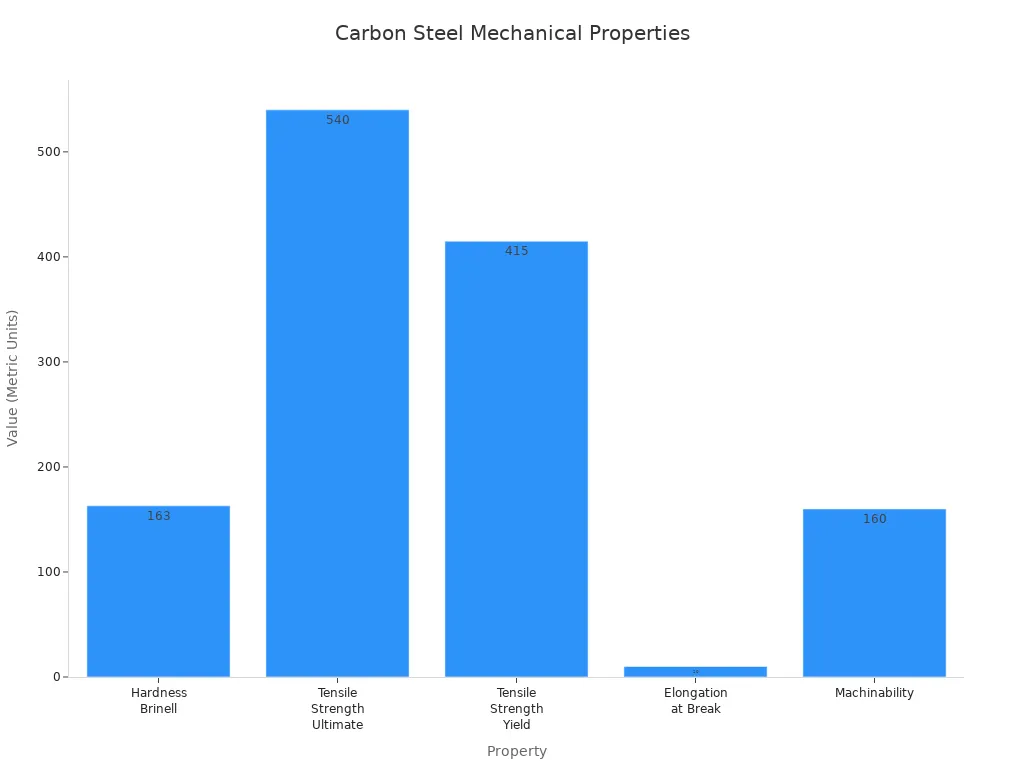
Carbon steel gives you strong and sturdy sofa legs. These legs hold up heavy sofas and do not bend easily. Carbon steel has high hardness and tensile strength. You can see the numbers in this table:
MECHANICAL PROPERTIES | METRIC | ENGLISH |
|---|---|---|
Hardness, Brinell | 163 | 163 |
Tensile Strength, Ultimate | 540 MPa | 78300 psi |
Tensile Strength, Yield | 415 MPa | 60200 psi |
Elongation at Break | 10% | 10% |
Machinability | 160% | 160% |
You get a classic look with carbon steel. These legs work well for traditional sofas and heavy-duty use. But you need to watch out for rust. Carbon steel needs a good finish or coating to stay nice. If you want strong legs for a big sofa, carbon steel is a solid choice.
Best for:
Heavy sofas
Classic and traditional styles
Places where strength matters most
Tip: Always check the finish on carbon steel legs. A good coating keeps them looking new.
Brass and other specialty alloys bring a touch of luxury to your sofa. Brass has a gold-like color that stands out in any room. Over time, brass develops a patina, giving your sofa legs a unique look. Brass also has antimicrobial properties, which help keep your home cleaner. You often see brass legs in high-end or vintage sofas.
Specialty alloys can offer unique colors, finishes, or extra strength. These legs fit designer sofas or custom pieces. If you want your sofa to look special, brass or a specialty alloy is a great pick.
Best for:
High-end and designer sofas
Vintage or industrial styles
Homes that want a unique, standout look
Note: Brass legs add character and style. They work best when you want your sofa to be the star of the room.
When you choose alloy sofa legs, think about your needs and style. Each material has its own strengths. Stainless steel and aluminium alloy sofa legs are top choices for most homes. Zinc alloy gives you style and value. Carbon steel offers strength. Brass and specialty alloys bring luxury. Pick the legs that fit your sofa and your life.
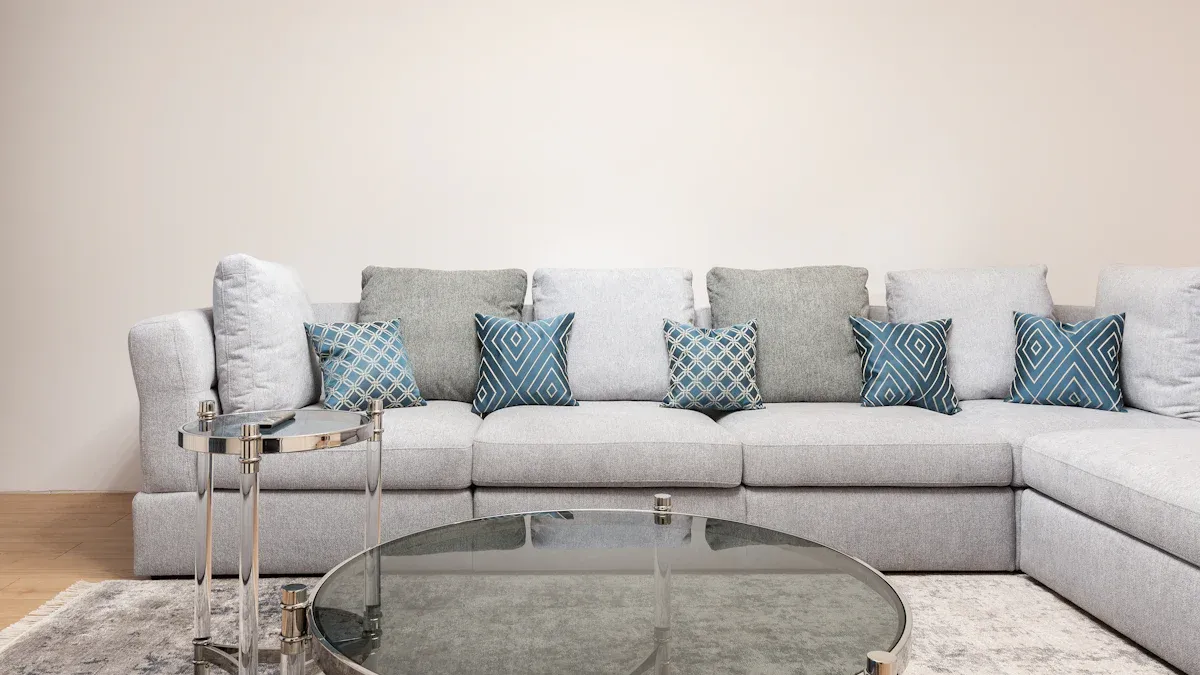
You want your sofa to feel safe and sturdy. If you build a heavy-duty sofa, you need legs that offer enhanced stability. Steel legs work best for big, heavy sofas. They hold a lot of weight and keep the sofa from wobbling. For lightweight sofas, you can use aluminum alloy legs. These legs make it easy to move the sofa around. You get good stability without extra weight. When you choose legs, think about how much weight your sofa will carry and how often people will move it.
Tip: Heavy sofas need strong legs. Lighter sofas do better with legs that are easy to lift.
Where people use the sofa matters a lot. If you want legs for outdoor sofas, pick alloys that fight rust and scratches. Stainless steel legs, like 304 or SS201, work well outside. They stay strong even in coastal places with salty air. For indoor sofas, you can use high-strength steel or aluminum alloy legs. These legs look nice and hold up well inside. Here’s a quick guide:
Use Type | Recommended Alloys | Key Features |
|---|---|---|
Outdoor | 304 stainless steel, SS201 | Rust and scratch resistance, ideal for coastal venues |
Indoor | High-strength steel, Aluminum alloy | Excellent load-bearing capacity, aesthetic versatility |
You keep your sofa looking good by picking the right legs for the right place.
Style makes your sofa stand out. Customers like different looks for their legs. Some want modern minimalist legs with simple shapes. Others love vintage legs that remind them of classic furniture. You also see people choosing avant-garde legs for bold designs. Here’s what’s popular:
Style Preference | Description |
|---|---|
Modern Minimalist | Sleek and simple designs that emphasize functionality. |
Vintage | Designs that evoke nostalgia and classic aesthetics. |
Avant-Garde | Bold and innovative styles that push design boundaries. |
You match the legs to your customer’s taste. Modern rooms look great with sleek steel sofa legs. Vintage sofas shine with brass or zinc alloy legs. Avant-garde designs use unique shapes and finishes. When you know what your customers want, you pick legs that fit their style and give them stability.
You want sofa legs that are always good quality. Pick suppliers who have a strong reputation. Ask for samples before you buy a lot. Check if each leg is strong and looks nice. Good suppliers answer your questions fast and explain their process. You can visit their factory or ask for pictures of how they work. If you need steel legs, ask if they have made them before. Good suppliers tell you when your order will arrive and give fair prices.
Here are some tips for working with suppliers:
Always get a written contract for each order.
Ask for names of other furniture makers they worked with.
Make sure you both agree on quality and delivery.
Talk often so there are no mistakes.
Tip: If you have a good relationship with your supplier, you get better sofa legs and fewer problems.
You should test your sofa legs before selling your furniture. Testing helps you find weak spots and stops returns. Try simple weight tests to see if the legs are strong. Some companies use drop tests or shake the legs to check them. If you want to show customers your legs are safe, get certifications.
Common certifications for sofa legs include:
Certification | What It Means |
|---|---|
ISO 9001 | Quality management system |
SGS | Independent product testing |
RoHS | No harmful substances |
You can ask your supplier for test results or certificates. Certified sofa legs help your customers feel safe. If you use steel legs, make sure they pass rust and weight tests.
Note: Testing and certification keep your brand safe and help you stand out from others.
You want sofa legs that last and look great. Stainless steel and aluminum alloy work best for most sofas. Always match the alloy to your design and market. Here’s a quick checklist to help you decide:
Check strength and weight needs
Pick a style that fits your sofa
Ask about corrosion resistance
Compare costs and finishes
Test for quality
Keep an eye on new materials and what your customers like. Your best choice today might change tomorrow!
Stainless steel gives you the best strength for sofa legs. It holds heavy sofas and resists bending. You can trust it for long-lasting support.
Yes! Aluminum alloy legs resist rust and moisture. You can use them on patios or balconies. Just check for a good finish to keep them looking new.
You can add felt pads or rubber tips to the bottom of each leg. These protect your floors and help your sofa stay in place.
Zinc alloy legs work well for most sofas. For extra-heavy sofas, you should pick stainless steel or carbon steel legs. They give you more support.


