
Views: 0 Author: Site Editor Publish Time: 2026-08-22 Origin: Site


Have you ever stared at your living room and felt a sudden urge for a massive style refresh? Replacing an entire high-quality couch simply to update a room's aesthetic is an incredibly inefficient use of your budget. You do not need to buy brand-new furniture to transform your space completely. Swapping original wooden or plastic supports for metal alternatives serves as a highly effective, low-risk structural upgrade. This straightforward modification completely alters your furniture’s visual weight and overall style profile.
In this guide, we will explore how to evaluate various sofa leg styles so you can make an informed design choice. You will learn how to choose the right metal finish, shape, and height tailored for your specific frame. Most importantly, you will discover how to execute this hardware upgrade seamlessly. By following these steps, you will modernize your seating arrangement without compromising structural integrity or damaging your living room floors.
Aesthetic Shift: Metal finishes directly dictate the furniture's design language (e.g., matte black for modern industrial, gold for mid-century glam).
Structural realities: The shape of the leg impacts weight distribution; tapered designs offer visual lightness, while straight cylinders provide robust stability.
Implementation requirement: Compatibility hinges on bolt sizing (typically M8 or M10) and the condition of the sofa's base frame.
Risk mitigation: Metal hardware requires dedicated floor protection strategies to prevent scratching hardwood or snagging carpets.
A successful hardware swap requires harmonizing the new metal finish against existing room elements. You should look carefully at your current light fixtures, cabinet pulls, and door hinges. Matching your new furniture hardware to these existing accents creates a cohesive design narrative. When hardware pieces communicate well, the entire room feels intentional and professionally curated. Ignoring this success criteria often results in a disjointed, chaotic aesthetic.
Upgrading to chrome sofa legs brings a highly reflective, contemporary, or Bauhaus-inspired aesthetic into your home. Their mirror-like surface catches ambient light effortlessly. This visual trick effectively lifts heavy, blocky sofa frames off the ground. By reflecting the surrounding floor, chrome elements create an optical illusion of extra floor space. We highly recommend this finish for minimalist apartments or ultra-modern lofts seeking a clean, sterile edge.
If your room feels too cold, gold sofa legs introduce instant warmth. They add an undeniable luxury and glam element to your seating arrangement. Interior designers frequently pair them alongside plush velvet upholstery. They also complement mid-century modern silhouettes exceptionally well. The warm undertones of gold hardware balance out cool wall colors like navy blue or emerald green beautifully.
Sometimes you need your furniture to quietly anchor a loud room. Matte black sofa legs ground the piece solidly. They deliver a subtle, modern-transitional look. This dark, flat finish acts as a brilliant choice for masking daily dust buildup. It blends seamlessly into darker wood floorings or heavily patterned rugs. Black hardware rarely clashes, making it the safest stylistic choice for eclectic interiors.
Metal Finish | Design Aesthetic | Best Upholstery Pairing | Key Visual Benefit |
|---|---|---|---|
Chrome | Contemporary / Bauhaus | Smooth Leather, Linen | Reflects light, creates floating illusion |
Gold / Brass | Mid-Century / Glam | Velvet, Boucle | Adds warmth and luxurious contrast |
Matte Black | Industrial / Transitional | Tweed, Distressed Leather | Hides dust, anchors the furniture |
Leg geometry heavily influences both style and load-bearing capacity. You must consider weight distribution mechanics before buying replacements. A leg's physical shape determines how mechanical force travels from the couch frame down into your floorboards.
Standard tapered sofa legs feature a highly distinctive profile. They are noticeably thicker at the top mounting point and gradually become narrower at the bottom footing. This specific geometry creates a delicate, lightweight illusion. You often see this shape defining classic Scandinavian interior design. Best use cases include two-seaters, loveseats, or smaller sofas featuring a reinforced central support system. Because of their angled nature, they distribute force diagonally. They handle moderate weight beautifully but might struggle under massive, uneven loads.
Straight cylinder metal legs deliver pure, uniform strength. Their consistent diameter from top to bottom provides a heavy-duty industrial appearance. They handle vertical loads incredibly efficiently because force travels straight down. We highly recommend cylinder profiles for large sectionals, bulky sleeper sofas, or high-traffic household furniture. These demanding pieces require maximum vertical load capacity. If you have children who routinely jump on the furniture, straight profiles offer superior peace of mind.
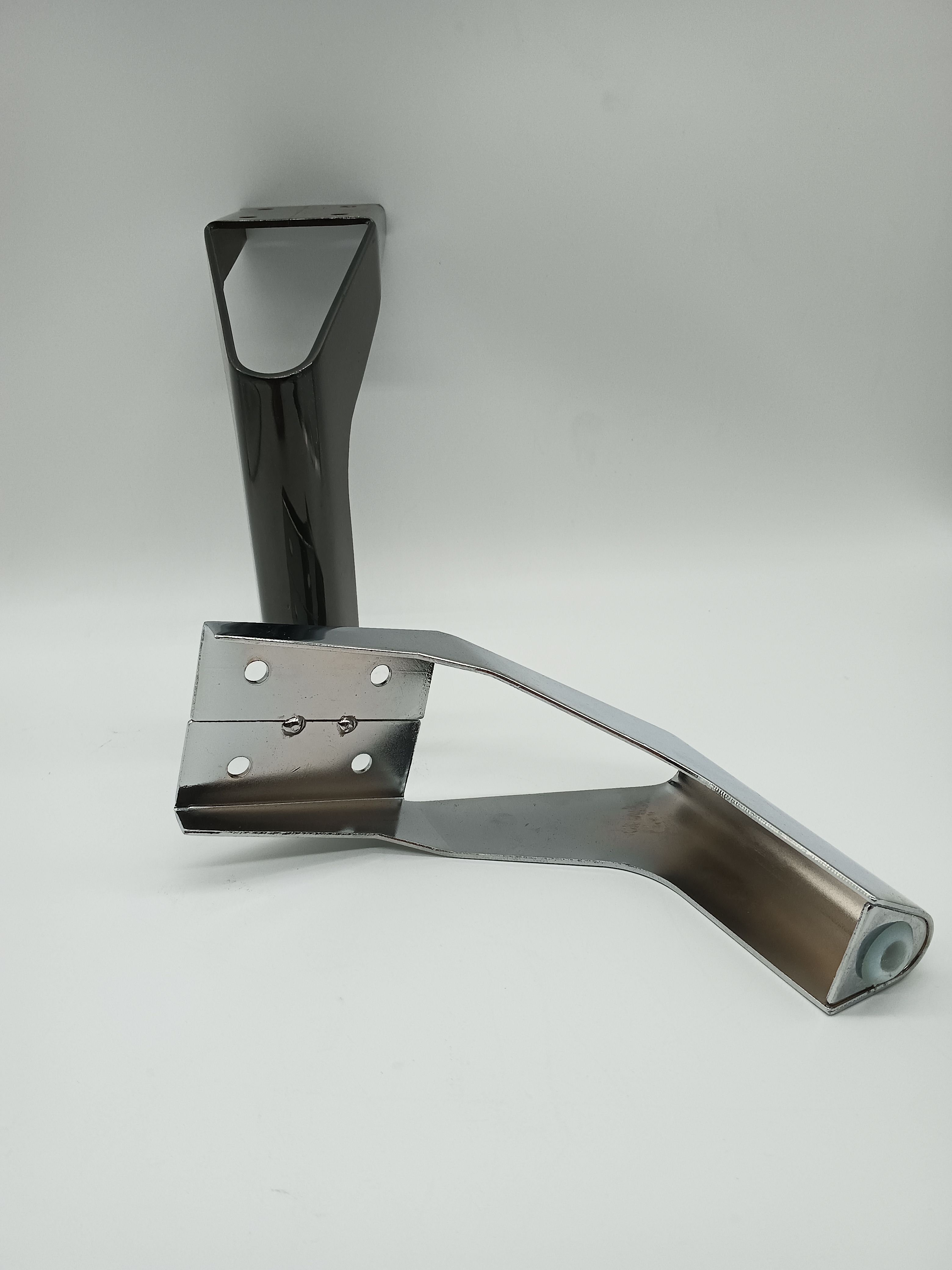
Many buyers incorrectly assume all aftermarket hardware fits natively into existing frames. This assumption is a common, expensive mistake. You must follow a precise compatibility framework to ensure a secure fit.
Bolt Sizing & Threading: Standard furniture relies on specific metric measurements. You will typically encounter an M8 (5/16") or an M10 metric bolt. Measure your existing hardware carefully using digital calipers or a thread pitch gauge. Forcing an M10 bolt into an M8 hole strips the internal threads instantly. Destroying these threads ruins the mounting point entirely.
Mounting Plates: Sometimes the original frame lacks pre-drilled holes. Other times, the existing threading suffers from irreversible damage. In these scenarios, you must install T-nuts or angled mounting plates. These metal accessories screw directly into the wooden frame. They create a fresh, perfectly sized anchor point for your new legs.
Frame Integrity: Metal transfers weight much more rigidly than wood. You must assess the wooden base thoroughly before attaching new hardware. Ensuring your sofa's interior corner blocks remain solid is strictly non-negotiable. If you detect wood rot, cracking, or splintering, you must reinforce the base. Installing metal hardware onto a rotten wooden frame will cause immediate structural failure upon sitting.
Drastically changing leg height disrupts your couch entirely. Swapping standard 7cm wooden blocks for 20cm metal spikes alters the furniture's center of gravity. This drastic height change destroys seating ergonomics, making the couch uncomfortable and awkward.
Interior designers rely on the "Rule of Thirds" in upholstery. You must ensure the new leg height does not dwarf your sofa's apron and cushion thickness. The cushions and frame should visually dominate the piece. If the legs appear too long, the couch looks unsteady and visually disproportionate, resembling a creature on stilts rather than a cozy seating area.
Taller metal supports also increase mechanical leverage. When someone drops heavily onto the couch, lateral movement stresses the mounting points. Extended legs amplify this strain significantly, risking a snapped frame. You must evaluate this structural risk carefully.
Keep replacement leg heights within 1 to 2 inches of the factory original.
Measure your current seating height from the floor to the top of the cushion. Standard comfortable seating sits between 17 and 19 inches high.
If you must go taller, utilize specialized heavy-duty mounting hardware to compensate for the added mechanical leverage.
Add a central support leg if you increase the height of a sofa wider than 70 inches.
Raw metal edges pose a massive adoption risk in any home. Poorly finished footings will gouge expensive hardwood floors instantly. They also snag and tear low-pile carpeting during minor furniture shifts. You must plan for adequate floor protection before finalizing your upgrade.
Always evaluate aftermarket feet based on their protective caps. Pre-installed rubber glides offer superior grip for slick tiles or engineered hardwood. They prevent the couch from sliding backward when you sit down. Conversely, smooth nylon caps allow slight sliding. This sliding feature benefits carpeted environments, letting you reposition the sofa without tearing the carpet fibers.
Safely inverting the sofa. This step always requires two people. Attempting this alone risks tearing the upholstery or straining your back severely. Lay down a soft blanket first to protect the fabric.
Removing old hardware. Twist the old legs counter-clockwise. Carefully inspect the newly exposed anchor points for hidden wood rot or stripped internal threads. Clean out any accumulated dust or debris.
Securing the new metal legs. Hand-tighten each bolt first. This manual approach prevents accidental cross-threading. Once aligned properly, apply firm torque using the appropriate tool to secure them completely.
Weight testing the frame. Flip the sofa back over carefully. Sit gently on the edge before allowing full daily use. Listen carefully for creaks, pops, or unstable shifts. If you hear noise, flip it over and retighten the hardware.
Upgrading your furniture hardware is a brilliant way to breathe new life into a tired room. You should base your final decision first on frame compatibility, explicitly checking your bolt size. Second, evaluate your structural needs by deciding between tapered versus straight profiles. Finally, select the aesthetic finish to match your broader room design.
Do not guess your measurements or eyeball the hardware sizes. Before purchasing anything, unscrew one existing sofa leg. Measure the bolt diameter precisely. Evaluate your current seating height to establish an accurate baseline for your upcoming upgrade. Taking these simple preparatory steps guarantees a seamless, highly rewarding transformation.
A: Aesthetically, yes. Structurally, it depends entirely on the wooden base frame having adequate anchor points for metal mounting plates or threaded inserts.
A: High-quality metal tapered legs can support significant weight, but their angled design creates more lateral stress than straight legs. Ensure they are rated for the combined weight of the sofa and occupants.
A: Yes. Mixing materials is a standard design practice that prevents a room from looking overly matched, provided the metal finish ties into other accents in the space (like lamps or curtain rods).


