
Views: 0 Author: Site Editor Publish Time: 2026-08-20 Origin: Site


Interchanging furniture legs feels like a remarkably simple aesthetic upgrade. However, misapplying a specific leg type routinely causes severe structural failure or frustrating ergonomic issues. Many homeowners assume any sturdy hardware works for any heavy piece. This assumption is dangerous. Evaluating load types, dimensional standards, and installation hardware helps you make a secure, compliant design decision. We will explore the critical nuances separating seating supports from storage bases. Structural integrity, proper weight distribution, and shear force resistance handle just as much importance as visual design. Understanding the specific differences between metal sofa legs vs cabinet legs ensures your furniture remains safe and functional for years. You will learn exactly how to audit your furniture's load profile, choose appropriate mounting systems, and select hardware built specifically for your exact daily needs.
Load Dynamics: Sofa legs must withstand dynamic, shifting lateral weight, while cabinet legs are engineered for heavy, static compression loads.
Height Standards: Metal sofa legs typically range from 4 to 8 inches for ergonomic seating, whereas cabinet legs are generally 3 to 5 inches, often prioritized for toe-kicks or automated vacuum clearance.
Mounting Systems: Sofas rely on hanger bolts (M8/M10) or top plates; cabinets require heavy-duty corner brackets or adjustable leveling feet to manage uneven floors.
Cross-Compatibility: Using "cabinet sofa legs" (hybrid decorative legs) on storage units is possible, provided the static load rating aligns with the cabinet's fully loaded weight.
Every piece of furniture interacts differently under physical stress. You must understand load physics before upgrading your hardware. Seating supports and storage bases handle fundamentally different types of weight.
People rarely sit down gently. They drop into cushions, shift their weight, and lounge sideways. These actions generate lateral shear forces. Sofa supports must absorb these unpredictable, multidirectional impacts. High tensile strength at the mounting joint prevents the hardware from snapping. When a person flops onto a couch sideways, the sudden force pushes the leg outward. The hardware must flex slightly and hold firm. Metal sofa legs undergo specific engineering to resist these lateral shear forces. They feature reinforced welds and thicker gauge steel near the top mounting plate.
Storage units present a completely different physics profile. A heavy kitchen cabinet might hold granite countertops, stacks of dishware, and heavy appliances. This creates immense downward compression. Unlike couches, cabinets rarely move. Lateral forces hardly exist. Cabinet hardware requires a broader weight distribution footprint. The base must transfer hundreds of pounds directly into the floor without buckling. Engineers design these supports to handle sustained vertical pressure over decades.
Cross-compatibility issues often ruin DIY projects. Installing standard decorative seating legs on a heavy-duty kitchen island introduces serious risks. Base plates will buckle over time due to insufficient static load capacity. The slender profile of seating hardware cannot distribute the massive vertical weight of filled drawers. Screws can tear out of the wood base. You must match the hardware's engineering profile to the furniture's physical demands.
Best Practice: Always check the manufacturer's maximum weight rating per leg before installation.
Common Mistake: Ignoring lateral shear force requirements when retrofitting heavy sofas on plush carpets.
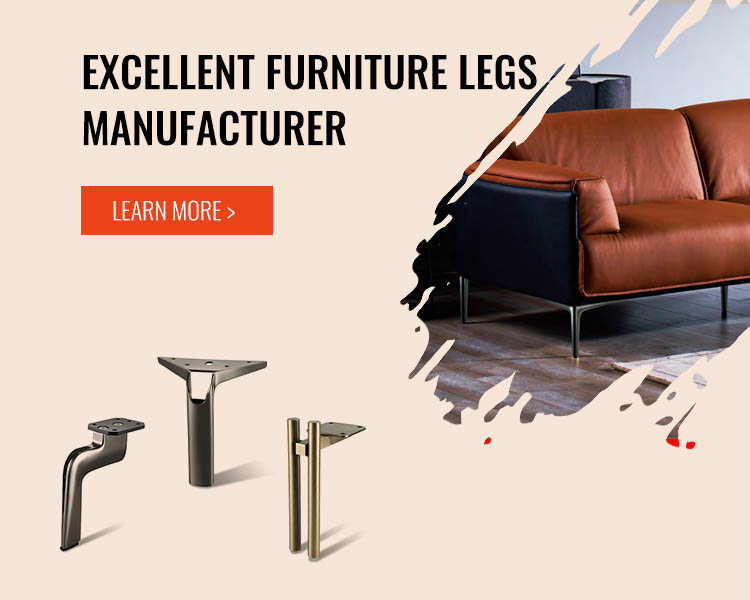
Hardware height dictates both comfort and functionality. You cannot arbitrarily pick a height based purely on aesthetics. Industry standards exist for specific ergonomic and practical reasons.
Standard seating heights usually measure 17 to 18 inches from the floor to the top of the seat cushion. This dimension maximizes knee angle comfort for the average adult. Proper seating height allows feet to rest flat on the floor. It eliminates pressure points under the thighs. Because modern upholstery frames vary in thickness, seating hardware typically ranges from 4 to 8 inches. This range balances visual proportion while maintaining strict ergonomic compliance. A leg too short makes standing up difficult. A leg too tall leaves legs dangling uncomfortably.
Storage bases follow completely different height rules. Two primary factors drive these dimensions.
The Toe-Kick Standard: Kitchen and bath base units require specific recess depths and heights. A standard toe-kick measures about 3.5 to 4 inches high. This recess allows you to stand close to the counter comfortably without stubbing your toes. Proper clearance prevents lower back strain during food preparation or washing up.
The Cleaning Factor: Elevated modern sideboards and freestanding storage units often demand at least 4 inches of floor clearance. This height accommodates automated robot vacuums. Open space beneath storage units makes regular cleaning effortless. This practical need currently drives the massive popularity of exposed leg designs in modern cabinetry.
Standard Furniture Hardware Dimensions Summary
Application Type | Typical Height Range | Primary Function & Design Goal |
|---|---|---|
Seating Supports | 4 to 8 inches | Ergonomic seating height, knee comfort |
Kitchen Base Units | 3 to 4.5 inches | Toe-kick recess, standing ergonomics |
Freestanding Storage | 4 to 6 inches | Robot vacuum clearance, visual lightness |
A beautiful leg fails instantly if poorly attached. The mounting systems differ drastically between seating and storage applications. You must evaluate the sub-frame material before purchasing hardware.
Seating frames usually consist of solid hardwood or engineered plywood. This strong chassis handles direct screw mounting well. Most seating hardware utilizes pre-drilled threaded inserts. Common sizes include M8 or 5/16-inch hanger bolts. You simply spin the leg into the existing threaded hole. Alternatively, hardware features flat mounting plates. You attach these plates using standard coarse-thread wood screws. Installation remains straightforward. The structural framing of the chassis provides excellent grip strength for the screws.
Storage units require much more robust attachment strategies. They frequently utilize adjustable leveling feet hidden behind a plinth or toe-kick. These levelers screw into heavy-duty plastic or metal sockets embedded into the base. If you want exposed legs on a storage unit, you face different challenges. The cabinet box can rack or twist under heavy static loads. Exposed bases require heavy-duty corner brackets or L-plates. These brackets reinforce the corners and prevent the box from collapsing.
Floors are rarely perfectly flat. Leveling a heavy sideboard on an uneven floor is incredibly difficult if you use fixed-height furniture iron legs. You end up stacking unsightly wooden shims under the feet. This ruins the visual aesthetic and compromises stability. Engineered adjustable cabinet levelers solve this problem instantly. They feature hidden threaded bases. You just twist the foot to achieve perfect micro-adjustments.
Best Practice: Always pre-drill pilot holes when attaching mounting plates to hardwood frames to prevent splitting.
Common Mistake: Driving standard wood screws directly into unreinforced MDF bases, leading to immediate tear-out.
Furniture hardware has transitioned from hidden utility to major architectural elements. Consumers now demand hardware expressing specific interior design styles. This shift blur the lines between traditional categories.
We currently see a massive trend toward hybrid designs. Homeowners love installing decorative seating hardware on credenzas, media consoles, and bathroom vanities. We often refer to these crossover products as cabinet sofa legs. Popular styles include mid-century hairpin shapes, angled brass cones, and sleek industrial blocks. This approach transitions storage units away from bulky, hidden utilitarian bases. Instead, they feature exposed, visually lightweight architectural accents. A media console elevated on angled brass cones makes a living room feel much larger.
Selecting the right finish goes beyond simply picking a color. You must evaluate the room environment. A polished chrome or brushed brass finish offers high visual impact in a living room. However, placing those same finishes in a bathroom requires deeper consideration. Bathroom environments generate heavy steam and moisture. Rust resistance becomes absolutely critical. You must verify the hardware features protective clear coats or rust-resistant plating. Matte black powder-coated finishes offer excellent durability for high-moisture areas. Living room seating allows much more flexibility regarding finishes since humidity remains low.
Making the final hardware choice requires a systematic approach. Do not buy hardware based solely on an attractive online photo. Follow this structured framework to ensure long-term stability and satisfaction.
You must calculate the total fully-loaded weight of your furniture piece. For a media console, weigh the wooden cabinet. Add the weight of the television, stereo receiver, and any stored vinyl records. Divide this total number by the amount of legs you plan to install. Finally, ensure the manufacturer's load rating per leg exceeds your calculated number by at least 20 percent. This safety margin prevents catastrophic failure if someone leans heavily on the unit.
Heavy furniture easily destroys delicate flooring. Bare steel will permanently scratch hardwood or slice through luxury vinyl planks. You must evaluate whether the leg design accommodates floor protection. Look for hardware featuring flat bottom surfaces. Flat surfaces allow you to securely attach heavy-duty felt pads. Alternatively, prioritize designs integrating adjustable nylon feet or rubber glides. Sharp, narrow bases tear carpets and gouge wood over time.
Older homes feature notoriously uneven flooring. Installing fixed-height seating hardware on an uneven floor guarantees a wobbly, frustrating piece of furniture. If you install hardware on older floors, prioritize products offering built-in micro-adjustability. These features appear much more commonly in storage hardware. A hidden screw-in glide allows you to extend one corner by a fraction of an inch. This eliminates wobbles instantly without resorting to ugly cardboard shims.
Choosing between metal sofa legs vs cabinet legs requires balancing load physics, height standards, and attachment mechanics. While these hardware pieces often share similar visual aesthetics, their distinct load profiles dictate their specific uses. Seating hardware absorbs dynamic lateral movement. Storage hardware supports massive, sustained vertical compression. Misunderstanding these differences leads to frustrating repairs or dangerous failures.
Before purchasing your next set of hardware, audit your furniture thoroughly. Calculate the total loaded weight. Inspect the sub-frame material to determine if it consists of solid wood or fragile MDF. Check your floors for uneven spots requiring micro-adjustability. By aligning your physical requirements with properly engineered hardware, you guarantee a beautiful, long-lasting furniture upgrade. Browse specific, load-rated hardware categories to find the exact match for your next project.
A: Yes, but only if the leg’s static weight rating explicitly exceeds the fully loaded cabinet weight. Additionally, the cabinet base must undergo reinforcement. You must ensure it accepts top-plate mounting securely without risking MDF tear-out under heavy loads.
A: You face two primary options. You must either slide wooden or plastic shims under the feet, which often looks unsightly. Alternatively, you can purchase decorative metal designs featuring a hidden, screw-in adjustable glide at the base for seamless leveling.
A: Bare metal will quickly scratch and gouge hardwood flooring. Always ensure your chosen hardware features integrated nylon glides. If they do not, choose a design sporting a flat, wide base to securely attach heavy-duty adhesive felt pads.


