
Views: 0 Author: Site Editor Publish Time: 2026-07-08 Origin: Site


Furniture legs face brutal daily conditions. Vacuum cleaners smash into them repeatedly. Shoes scuff their edges constantly. Mopping introduces harsh moisture, while ambient humidity threatens exposed metal. A poor finish choice leads to flaking paint, premature oxidation, and degraded aesthetic value. When these floor-level components fail, they effectively ruin your entire furniture investment. You end up replacing pieces years before their mechanical lifespan ends.
Selecting the right finish requires balancing your visual goals with raw mechanical durability. Base material compatibility matters immensely in this process. Specific environmental exposures also dictate what coatings will actually survive long-term. In this guide, we break down the leading metal furniture leg finishes available today. You will learn how to match specific coatings to your distinct usage environments. Finally, we cover maintenance realities to help you specify components correctly the first time around.
Powder coating remains the industry standard for impact and scratch resistance, ideal for high-traffic environments.
Electroplating offers unmatched reflective brilliance for luxury aesthetics but requires strict indoor, low-humidity environments to prevent pitting.
Mechanical finishes (like brushing) excel at hiding micro-scratches and fingerprint smudges on alloy bases.
The base metal dictates the finish options; iron requires heavy anti-corrosion sealing, whereas alloys allow for lighter, textured treatments.
Many buyers underestimate the severe physical abuse happening at the floor level. Floor-level components suffer daily abrasion from various sources. Pets scratch them. Cleaning equipment collides into their surfaces. Moving chairs drags them across uneven tiles. Cheap liquid paint on metal often chips within months of deployment. Once a single chip exposes the underlying metal, the entire protective barrier becomes structurally compromised.
Corrosion and moisture risks compound these physical impact vulnerabilities. Unsealed base metals react aggressively to floor cleaning chemicals. Iron and steel are particularly vulnerable to ambient room humidity. Mopping a floor leaves microscopic moisture droplets along the furniture base. Without a proper commercial-grade seal, this moisture triggers rapid oxidation. Rust then creeps beneath the surrounding intact paint, causing massive flaking over time.
Aesthetic degradation ultimately destroys the intended design language of the space. Mismatched or degraded finishes lower the perceived value of the entire furniture piece. A luxury velvet sofa loses its appeal completely if sitting on rusted, chipped legs. This impacts both residential consumer satisfaction and strict commercial durability standards. Replacing a damaged finish often requires specialized tools and significant labor. Therefore, getting the surface treatment right during the initial purchase prevents endless frustration later.
Understanding how different coatings bond to metal helps you predict their long-term performance. We evaluate four core technologies dominating the industry today.
Manufacturers apply dry powder electrostatically to the metal surface. The components then enter a high-temperature curing oven. Heat melts the powder into a continuous, hardened plastic-like skin. This mechanism creates an incredibly resilient barrier against physical impacts.
This finish is best for industrial-style furniture and modern minimal designs. We highly recommend specifying matte black sofa legs for high-traffic areas. Powder coating delivers exceptional chip and rust resistance. However, it does carry limitations. The visual depth remains somewhat flat. It restricts you to opaque colors, lacking true metallic reflection.
Electroplating uses electrical currents to deposit a microscopic layer of metal over the base structure. Factories commonly use chromium, brass, or copper for this process. It bonds the decorative metal directly to the underlying iron or steel.
This process works beautifully for mid-century modern pieces, particularly when utilizing chrome sofa legs. It also serves luxury glam styling perfectly through gold iron sofa legs. The high visual impact and reflective surface remain unmatched. Conversely, these finishes are highly susceptible to fingerprints. They absolutely require a non-abrasive cleaning protocol to prevent permanent micro-scratching.
PVD represents the pinnacle of surface engineering. Technicians place the metal in a vacuum chamber. They vaporize solid metal alloys, bonding the color to the furniture leg at a molecular level. Chemical blackening uses controlled oxidation to darken the metal naturally.
These premium applications suit high-end contemporary designs perfectly. Buyers often select gun black sofa legs using PVD for upscale executive environments. You gain extreme wear and tarnish resistance. The bond will not flake off under normal impact. The primary drawback is a significantly higher price point compared to standard plating.
Technicians physically abrade the surface to create a uniform linear texture. For aluminum, an anodic oxide layer often follows this brushing. The anodizing process thickens the natural oxide layer, protecting the raw metal underneath.
This approach shines in contemporary or minimalist spaces. Specifying brushed alloy sofa legs guarantees a low-maintenance future. The textured finish hides daily scuffs brilliantly. Dust and fingerprints barely show. However, it lacks the high-gloss reflection found in polished finishes.
Finish Type | Primary Mechanism | Impact Resistance | Moisture Resistance | Visual Characteristic |
|---|---|---|---|---|
Powder Coating | Electrostatic heat cure | High | High | Opaque, matte or gloss |
Electroplating | Electrical deposition | Low | Medium | Highly reflective, metallic |
PVD Coating | Vacuum vapor bonding | Very High | Very High | Deep metallic tinting |
Mechanical Brushing | Physical abrasion | Medium | Medium (needs seal) | Textured, matte metallic |
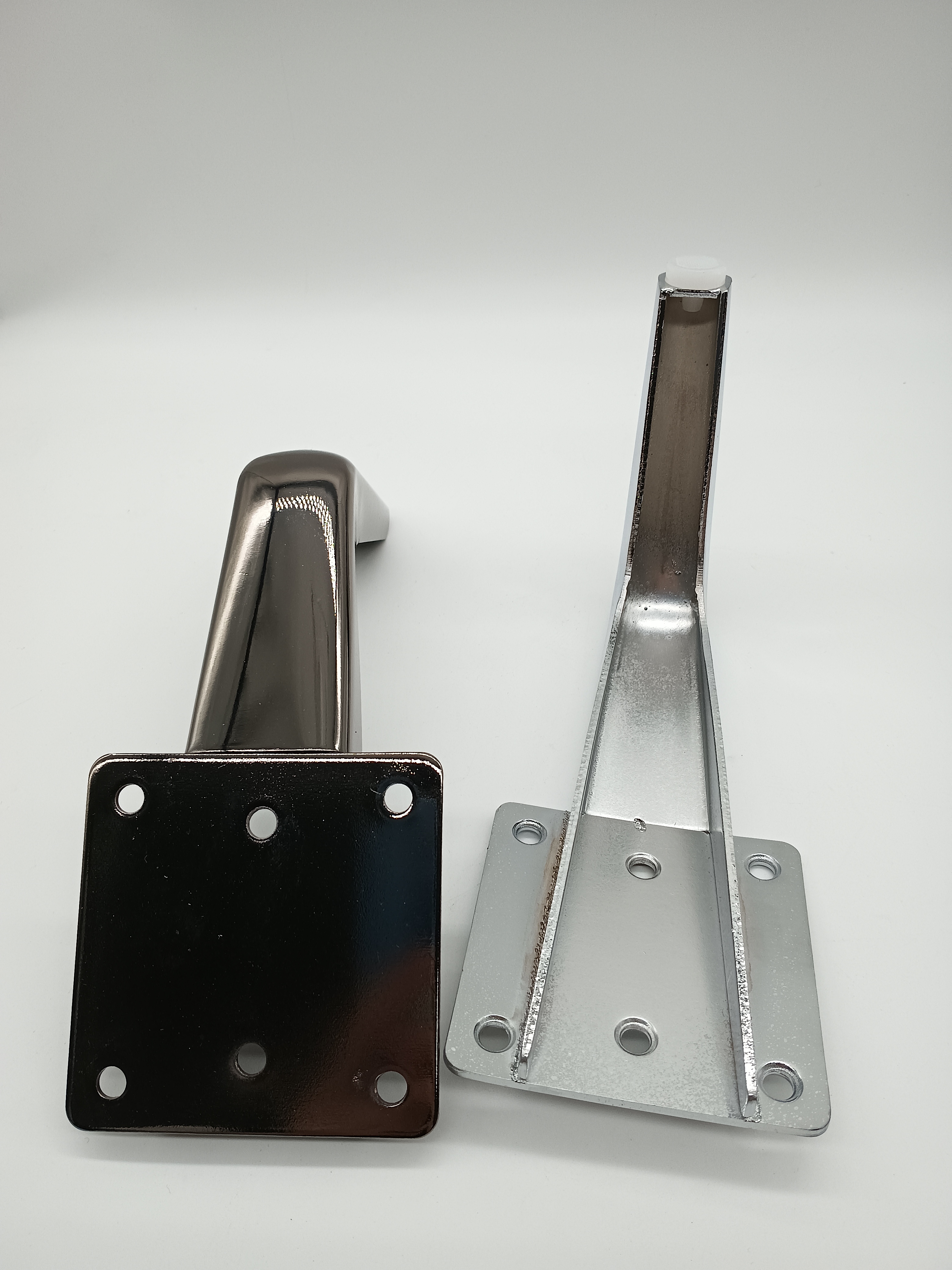
You cannot select a metal finish based on looks alone. Different rooms subject furniture to vastly different environmental stressors. We recommend following a strict decision framework before purchasing. This logic prevents premature failure and excessive maintenance demands.
Assess Traffic and Usage Volume: Commercial lobbies experience heavy foot traffic. Luggage wheels and industrial vacuums strike furniture daily. These environments require high-impact resistance. Powder coat or PVD finishes survive here best. Conversely, low-traffic decorative pieces in a quiet bedroom easily tolerate delicate electroplating.
Evaluate Environmental Exposure: Assess the room humidity carefully. Kitchen and bathroom furniture legs face daily water exposure. They require rust-proof alloys or extremely heavy powder coats. Living room pieces sit in climate-controlled spaces, offering you more flexibility in finish selection.
Determine Base Material Constraints: The underlying metal limits your finish choices. Iron must be completely sealed from oxygen. It demands thick plating or powder coating. Stainless steel or aluminum alloys resist rust naturally. You can leave them partially exposed, lightly brushed, or clear-coated.
Always request a physical sample of the finish before ordering commercial quantities.
Test the sample against your specific floor cleaning chemicals.
Match the weight of the furniture to the durability of the leg finish. Heavier sofas slide harder, scratching delicate floors and legs.
A flawless finish on day one means nothing if you maintain it poorly. Many users destroy their premium furniture legs through simple ignorance of chemical reactions. Understanding the vulnerabilities of your chosen surface prevents rapid degradation.
Many designers love the industrial look of raw, exposed metal. However, a massive misconception exists regarding "raw metal" performance. You cannot simply leave raw iron exposed to ambient air. Unsealed base metals undergo flash rusting within days. We outline the strict necessity of clear polyurethane or lacquer sealants. Even brushed iron requires a robust topcoat to block oxygen and moisture completely.
Improper cleaning destroys more metal furniture leg finishes than physical impact. Chemical cleaners often contain ammonia or bleach. These harsh alkalines strip protective clear coats directly off plated gold or chrome. Once the clear coat dissolves, the thin plating oxidizes rapidly. You must advise your cleaning staff to use neutral pH solutions. Microfiber cloths trap dirt without scratching the delicate metallic surfaces.
Damage often occurs before you even use the furniture. Installation processes present significant hazards. Over-torquing screws causes the surrounding paint to crack and flake. Using bare metal wrenches against plated surfaces leaves permanent gouges. We recommend wrapping tools in painter's tape during assembly. Always use felt pads under the metal legs to prevent floor friction from stripping the bottom edges.
Scrubbing chrome legs using abrasive kitchen sponges.
Applying acidic floor cleaners near unsealed iron bases.
Ignoring loose screws, causing the leg to wobble and grind against its mounting plate.
Failing to wipe away spilled liquids immediately from plated surfaces.
Navigating the options feels overwhelming initially. We have simplified the selection process based on common buyer goals. Review these specific scenarios to find your ideal match.
If you prioritize strict budgets and maximum physical durability, specify powder-coated steel. A matte or textured black finish hides dust incredibly well. It survives vacuum strikes without chipping. It provides the strongest barrier against rust for standard iron bases.
If you need to match high-end residential interiors, specify PVD or electroplated finishes. Gold and chrome elevate the perceived luxury of velvet and leather furniture. However, you must factor in higher maintenance requirements. Commit to gentle dusting and careful mopping around these pieces.
If you target modern, low-maintenance commercial design, specify brushed alloy components. Anodized seals over brushed aluminum offer fantastic longevity. They look sophisticated but resist the smudging that plagues mirrored finishes.
Your next step requires immediate action. Walk through your intended space. Review your specific floor types carefully. Consider your weekly cleaning habits honestly. Estimate the base furniture weight. Once you clarify these constraints, contact your supplier to request a targeted finish sample.
The best metal finish is always a calculated compromise. You must balance your desired visual outcome against the harsh environmental realities of the room. A stunning high-gloss chrome leg fails quickly in a humid, chemically abrasive environment. Meanwhile, a tough powder coat might look too industrial for a delicate luxury sofa.
Specifying high-quality commercial-grade finishes upfront requires diligent research. However, this effort prevents costly structural failures down the line. It stops you from buying replacement parts every year. It protects your brand reputation if you manufacture or specify furniture professionally.
Take time to browse specific leg collections based on these newfound requirements. Match your aesthetic vision to the exact mechanical reality your furniture will face daily.
A: Powder coating creates a robust plastic-like barrier over the metal. It seals out moisture entirely while perfectly intact. However, the underlying metal remains inherently vulnerable. Deep scratches penetrating to bare iron allow rust to form. Rust then creeps beneath the coating. Using galvanized steel underneath adds vital secondary protection.
A: You can alter finishes, but options remain limited. DIY electroplating is highly dangerous and impractical. The most feasible method involves light sanding, thorough degreasing, and applying high-grade metal spray enamels. For true durability, send the components to professional shops for abrasive sandblasting and industrial powder recoating.
A: Cloudiness usually stems from micro-scratching or severe chemical damage. Abrasive cleaning sponges create tiny grooves across the metal layer. Harsh cleaners strip the protective clear lacquer over gold plating. Once this clear coat fails completely, the underlying finish oxidizes upon repeated exposure to ambient air and humidity.


